

Menstrual Health Impact
Why causal evidence matters
Poor menstrual health can affect education, employment, physical health, mental health, and social participation, with impacts that accumulate across the life course. While there is growing recognition that menstrual health matters, there are still few reliable quantitative estimates of the extent to which menstrual health affects girls' lives over time.
AiMHI’s Menstrual Health Impact stream brings together data from prospective longitudinal studies with the goal of generating missing cross-country estimates on the impact of menstrual health on the lives of adolescent girls, and evidencing the hypothesized pathways from poor menstrual health to life outcomes.
This work aims to address critical evidence gaps by strengthening our understanding of the longer-term impacts of poor menstrual health. These gaps include the cost of inaction on menstrual health and the current deficits attributable to poor menstrual health, and this work can help identify where, when, and how interventions can have the greatest impact. By generating rigorous causal evidence, AiMHI aims to inform advocacy, guide strategic investment, and support the development of effective policies and interventions.
Underlying longitudinal studies
Collaborating cohorts
 The AMEHC (Adolescent Menstrual Experiences and Health Cohort) study follows a cohort of adolescent girls in Bangladesh over time to understand their changing menstrual experiences and the impacts this has on their lives.
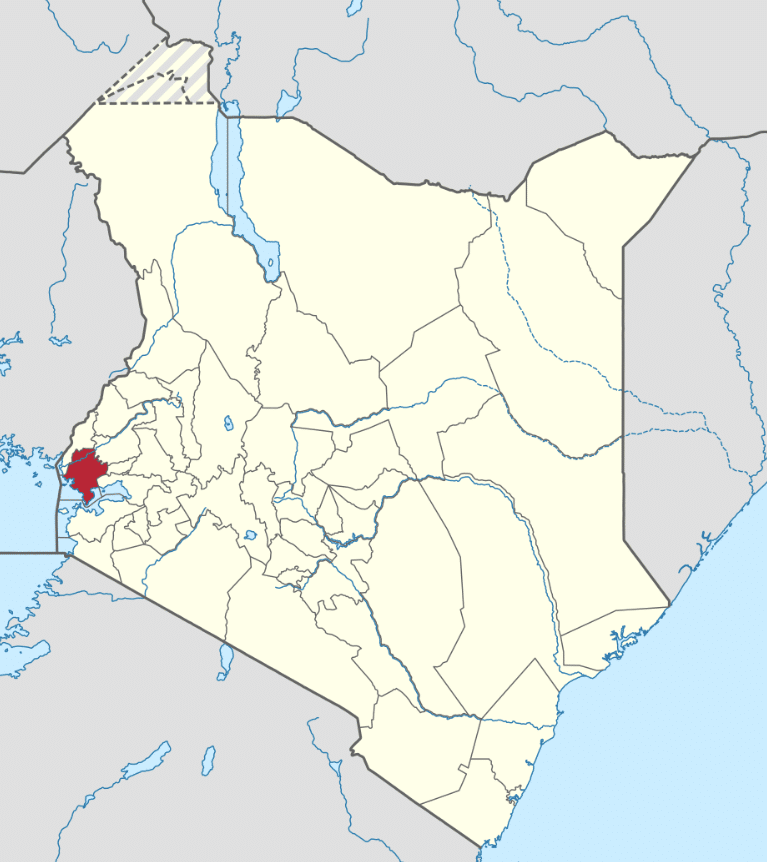
 The IMARA study (Understanding the Impacts of the Menstrual Cup on Girl Outcomes in Kenya) is a school-based randomized trial following adolescent girls through junior secondary school in western Kenya. By evaluating whether improved menstrual health through menstrual cup provision and education influences girls’ schooling, sexual and reproductive health, mental health, and wellbeing, IMARA will generate causal evidence on how addressing menstrual health needs can shape outcomes during adolescence.
Together, AiMHI researchers leading these studies will be able to conduct cross-country analyses that strengthen understanding of the drivers and impacts of menstrual health.

Systematic review: Associations between menstrual health and health and social outcomes
Featured Resources
PROSPERO Registration - Associations between menstrual health and health and social outcomes: a global systematic review and meta-analysis
This PROSPERO registration (PROSPERO ID: CRD420261336380) describes a systematic review that will synthesize global evidence on the associations between menstrual health and a wide range of health and social outcomes, including education, employment, physical health, sexual and reproductive health, mental health, and wellbeing.
Protocol: Impact of menstrual cups on adolescent girls' reproductive health and education
This study aims to evaluate if the provision of menstrual cups will impact educational, sexual and reproductive health and social equity outcomes compared with girls maintaining usual practice in junior schools in western Kenya.
Protocol for the Adolescent Menstrual Experiences and Health Cohort (AMEHC) Study in Khulna, Bangladesh: A Prospective cohort to quantify the influence of menstrual health on adolescent girls’ health and education outcomes
The Adolescent Menstrual Experiences and Health Cohort (AMEHC) study follows a cohort of adolescent girls over time to understand their changing menstrual experiences and the impacts this has on their lives.